Author name: nandhanamparassinikadavu@gmail.com

Tourist Attractions in Kannur

Hidden Hill Stations of Kannur: Nature’s Best-Kept Secrets

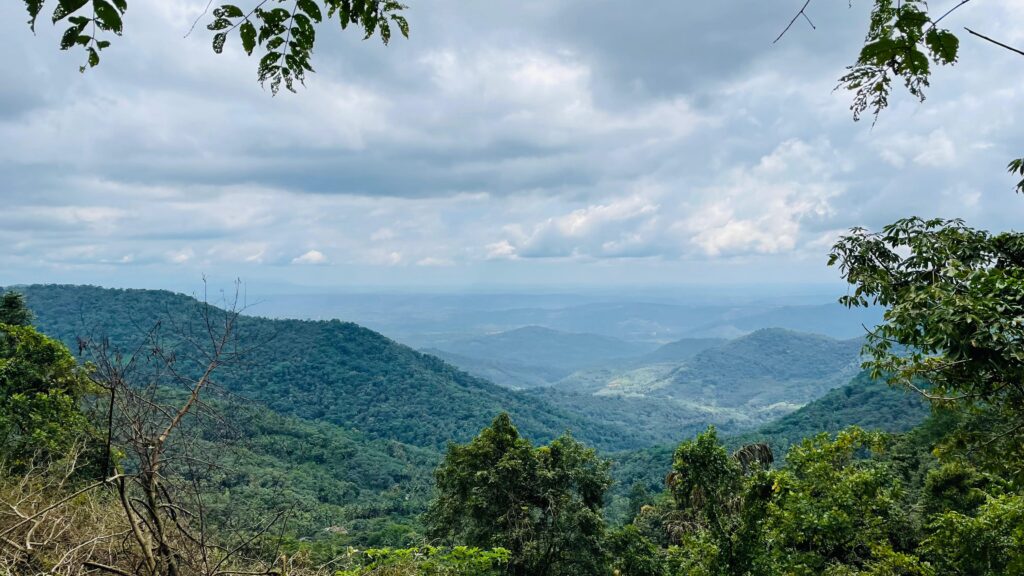
HILL STATIONS IN KANNUR A Journey Through the Western Ghats Hidden View Points & Hill Stations in Kannur When you think of Kerala, backwaters and beaches usually come to mind — but Kannur hides some of the most stunning, lesser-known hill stations and viewpoints in the Western Ghats. Mist-covered peaks, sacred pilgrim trails, quaint villages, and panoramic valleys make these spots a perfect retreat for nature lovers and trekkers. Here’s your complete guide to the hidden hill stations in Kannur:Mount Kottathalachi, Palukachippara, Sasippara, Kalanki, Chathamangalam, Thabore, Josegiri, and Manakadavu–Coorg Border. Mount Kottathalachi (Christian Pilgrim Hill) Height: ~2,700 feet above sea level. A Christian pilgrim center, also called Kurisumala. The Holy Cross was installed on Good Friday, 1958 by Fr. Mathew Mannuramparambil. Small chapel dedicated to Thomas (Kurisumala Muthappan) at the top. Famous for sunrise and sunset views, with a bird’s-eye view of Kannur and Kasaragod towns. How to Reach Jeep road available up to Anakuzhi (midway). Most popular route: Vazhakundam–Choorappadavu Road (via Pulingome, Cherupuzha Panchayat). Distance: Cherupuzha to Pulingome – 7 km. From Choorappadavu–Kottathalachi junction, take the left road leading uphill. Travel Assistance Contact: Kottathalachi Development Society helpline – 8848953001 Best Time to Visit Throughout the year; especially during Easter season pilgrimages. Early morning or evening for best views. Palukachippara Known for ancient rocks (millions of years old) in unique shapes. Scenic waterfalls, best during monsoon. Excellent trekking trails with breathtaking valley views. Rich cultural heritage with the Palukachippara Kottam Temple (14th century, dedicated to Lord Shiva). How to Reach 30 km from Kannur town. By Air: Kannur International Airport (~66 km). By Rail: Kannur Railway Station (~49 km). Taxis and buses available from Kannur town. Best Time to Visit Monsoon Magic (June to September): The hills are lush green, and the waterfalls are at their most spectacular. Perfect for nature photography and scenic views. Post-Monsoon Charm (October to November): The landscape remains vibrant, with pleasant weather and clear skies, ideal for trekking and outdoor exploration. Tips Wear sturdy shoes; paths may be slippery. Carry rain gear during monsoon. Start early for best views. Bring water and snacks. Sasippara Viewpoint (Kanjirakolli)  History   The name “Sasippara” comes from Malayalam: Sasi (moon) + Para (rock).Known for its moon-like rock formations and serene atmosphere. Timings Open daily: 9:00 AM – 5:00 PM. Height: Approximately 4,000 feet above sea level. Views: Offers breathtaking panoramic views of the Western Ghats and surrounding valleys. Best Time: Sunrise and sunset are the most popular for spectacular views. Wildlife & Nature: Rich biodiversity makes it ideal for birdwatching and nature enthusiasts. Nearby Attraction: Alakapuri Waterfalls is just 4 km away, perfect for a short trek or day trip. How to Reach 60 km from Kannur town. By Air: Kannur International Airport (~60 km). By Rail: Kannur Railway Station (~60 km). By Bus: KSRTC buses run from Kannur/Taliparamba to Sreekandapuram. From there, taxis can be hired. Entry Fee Indian Adults: ₹50 Indian Children: ₹20 Foreign Adults: ₹250 Foreign Children: ₹200 Tips Wear comfortable shoes. Carry snacks and water. Visit early morning or late afternoon for best breeze and views. Kalanki – The Queen of Hills Location: One of the highest regions in Kannur district, near the Karnataka border. Scenery: Famous for mist-covered hills, dense forests, and stunning sunrises and sunsets. Views: Panoramic vistas include Kannur International Airport and the Iritty River from select vantage points. Cultural Spot: Home to the serene Kalanki Temple, adding a spiritual touch to the visit. How to Reach Address: Kalanki PO, Mattara–Kalanki Road, Ullikkal, Kerala – 670705. Distance: ~58 km from Kannur (via Iritty → Ulikkal → Mattara). Also accessible from Karnataka side via Koottupuzha–Aanakuzhi. Best Time To Visit Early morning or evening for sunrise/sunset. Winter (Nov–Feb) for misty weather. Tips Wear comfortable shoes. Carry snacks and water. Visit early morning or late afternoon for best breeze and views. Chathamangalam Hills (Theruvamala) Located near Cherupuzha, Alakode, and Udayagiri Panchayats. Peaks: Theruvamala & Thevarkunnumala (~2,500 m above sea level). Scenic views of villages, forests, and valleys. Known as a “ghost village” due to depopulation. Jude’s Shrine is a local landmark. How to Reach 58 km from Kannur HQ. Routes: Kannur → Taliparamba → Alakode → Neduvode → Chathamangalam. Or Kannur → Payyannur → Cherupuzha → Thirumeni → Chathamangalam. Best Time To Visit Monsoon & winter (lush greenery, mist, seasonal waterfalls). Tips Poor road conditions. Limited facilities and shops. Wildlife presence (monkeys, wild boars, etc.). Thabore Hilltop A hilltop village with a Christ the Redeemer statue at the summit. Requires ~2 km hike from base to reach the statue. Offers wide valley and mountain views, best at sunset. Birdwatching opportunities at the grasslands. How to Reach Address: Thabore–Kottathalachi Road, Tabore, Kerala – 670511. Distance: ~60 km from Kannur. Nearby towns: Cherupuzha (~13 km) and Alakode Best Time To Visit Evening (for sunset). Post-monsoon for clearer skies. Tips Wear good hiking shoes. Carry water — no shops at the top. Avoid descending after dark Josegiri Viewpoint (Thirunettikallu) Located in Josegiri village, Cherupuzha Panchayat. Altitude: ~2,300 ft. Attractions: Thirunettikallu viewpoint. Rolling stone trapped between boulders. A large cross atop a rock (climbable with a ladder). Misty meadows, medicinal herbs, and wildflowers. How to Reach Route: Kozhichal–Rajagiri–Josegiri Road. From Josegiri, 2 km trek to viewpoint (last stretch is steep). Best Time To Visit Early morning (mist and sunrise). Late afternoon for sunset. Post-monsoon (green landscapes). Tips Visit early morning for misty sunrises and clear views Wear good hiking shoes. Carry water — no shops at the top. Avoid descending after dark Manakadavu–Coorg Border Border point where Kerala meets Karnataka. Marked by a small bridge and a river/stream, believed to be the origin of the Kuppam River. Locally called Vaikkamba/Vaikamba. Surrounded by forests, streams, and hills. Restrictions The Karnataka side is protected forest — tourists cannot cross into it. Best For Short drives, nature trails, photography Conclusion Kannur’s hill stations and viewpoints are a refreshing escape into the lap of the Western Ghats. From sacred pilgrim peaks like Kottathalachi to the serene valleys of Josegiri, from the misty

Kottiyoor temple
Temples in Kannur

Kottiyoor Temple

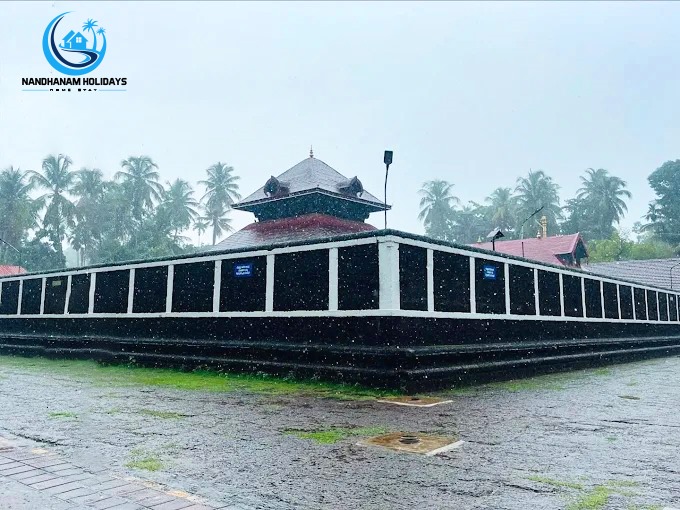
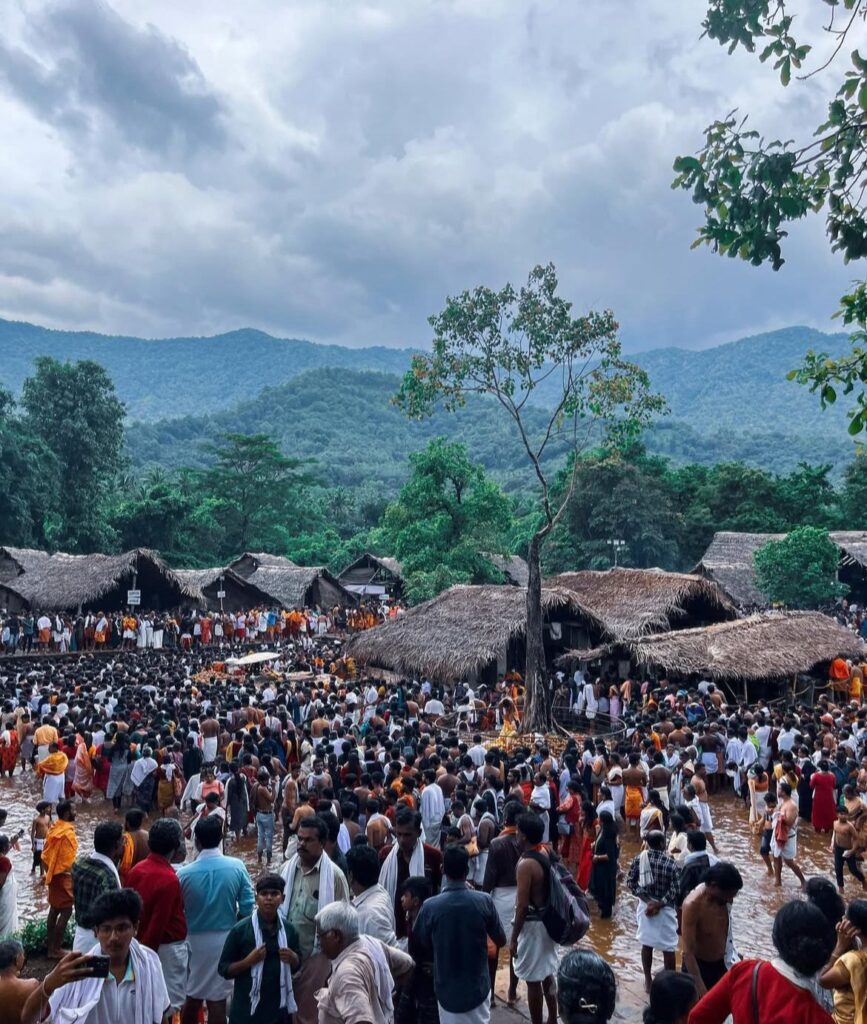
Kottiyoor Temple & Vaishaka Mahotsavam A Sacred Pilgrimage in Kerala Nestled in the dense forest along the banks of the roaring River Bavali, in the heart of the Western Ghats, lies a mystical temple that awakens during one season every year—Kottiyoor Temple, also called Dakshina Kaashi. For 28 powerful days between May and June, the region transforms into a sacred pilgrimage destination, drawing in thousands of devotees, nature lovers, spiritual seekers, and cultural enthusiasts. As the rains descend upon Kannur district, bringing fresh greenery and divine energy, the Vaishaka Mahotsavam begins—a festival unlike any other in India. With Nandhanam Holidays, you don’t just visit. You experience, understand, and connect with something much deeper. The Myth Behind Kottiyoor Temple – Where Legends Live The story of Kottiyoor is rooted in one of Hinduism’s most emotionally intense mythological events—Daksha Yagam. 🔥 The Tragic Yagna of Daksha Long ago, Daksha, son of Brahma and a powerful king, organized a grand yaga (ritual sacrifice) but deliberately did not invite Lord Shiva, his son-in-law, due to personal disapproval of Shiva’s ascetic lifestyle. Sati, Daksha’s daughter and Shiva’s consort, insisted on attending. Despite Shiva’s warning, she arrived at the yagna but was insulted and humiliated by her own father. Unable to bear the disgrace, Sati immolated herself in the sacrificial fire. What followed was chaos. A grief-stricken Shiva unleashed his wrath. He created Veerabhadra, a fierce warrior, and Bhadrakali, who stormed the yagna, destroyed everything, and beheaded Daksha. Later, the gods pleaded with Shiva to calm his rage. He forgave Daksha and restored him to life, but with the head of a goat, symbolizing humility and rebirth. Kottiyoor Temple – The Yagna Bhumi It is believed that the original Daksha Yaga took place right where the Akkare Kottiyoor Temple stands today. Over centuries, the spot remained hidden in the forest until discovered by local tribal hunters who stumbled upon a bleeding stone—revealed to be a Swayambhoo Shiva Linga (self-manifested). The site’s sanctity is so profound that even Sri Adi Shankaracharya, the great philosopher-saint, refused to step on the sacred ground. Instead, he prayed from across the river at what is now known as Ikkare Kottiyoor Temple, and helped formalize the rituals that continue even today. 🌿 A Temple That Breathes With Nature – Akkare & Ikkare Kottiyoor Temple Akkare Kottiyoor – A Temple Without Walls Open only during the Vaishaka Mahotsavam, Akkare Kottiyoor temple has no permanent structure. The Swayambhoo Shiva Linga is placed on a Manithara, a raised platform made from river stones. The temple is built anew every year using natural materials and is dismantled after the festival ends. This symbolizes impermanence, purity, and humility. It’s a true union of faith and ecology. Ikkare Kottiyoor – Year-Round Temple Located across the Bavali River, this temple remains open throughout the year and serves as the spiritual base for the daily worship of Lord Shiva and Parvathi. 🌟 Vaishaka Mahotsavam – 28 Days of Spiritual Intensity Held annually in the Malayalam months of Edavam and Midhunam (May-June), the Vaishaka Mahotsavam is a sacred, 28-day pilgrimage involving deep devotion, thousands of rituals, and mystical ceremonies. Over 1,00,000 people visit during the season, walking barefoot through forest paths, chanting hymns, and carrying sacred offerings to the deity. Here’s a deep dive into the most significant rituals: 🪔 Neyyattam – Ghee Offering to the Deity The festival begins with Neyyattam, the ritual pouring of ghee on the idol, symbolizing the start of cosmic energy activation. This is initiated by the arrival of a ceremonial sword from Muthirerikavu Temple in Wayanad. ⚱️ Bhandaram Ezhunnallathu On the Visakham star day, gold and silver vessels, sacred ornaments, and utensils are brought from Manathana village in a traditional procession. The act commemorates the original yagna preparations and symbolizes offering of wealth and humility to the divine. 🥥 Elaneer Vayppu & Elaneerattam – A Ritual of Devotion On this powerful day, thousands of tender coconuts are carried by devotees from across Malabar and offered to the deity. These are stored and used the next day in Elaneerattam, when the chief priest pours the sacred coconut water over the idol—a sight that stirs every soul present. This is not just a ritual; it is a mass expression of surrender and unity. 🌌 Rohini Aaradhana – Worship Like No Other A ritual not performed in any other temple, this ceremony involves the priest embracing the Swayambhoo Shiva Linga, symbolizing Brahma’s deep remorse and reverence for Shiva after the loss of Sati. It is believed this act pacified Shiva’s cosmic rage, leading to the restoration of balance in the universe. 🐘 Ezhunnallippu & Aanayootu – The Elephant Procession Two elephants, richly decorated, carry the idols of Lord Shiva and Parvathi through the temple grounds, followed by Aanayootu, where the elephants are respectfully fed and honored. It’s a powerful symbol of harmony between man, beast, and divinity. ⚠️ Important Monsoon Travel Tips – Be Safe, Be Smart Visiting Kottiyoor during Vaishaka Mahotsavam is rewarding, but requires caution: 🚧 Narrow roads and sharp turns – start early to avoid traffic. 🌊 Avoid swimming in the river – currents are strong during monsoon and the river flows through a forest zone. 🩴 Wear non-slip footwear for muddy paths. 🧴 Carry mosquito repellent, water, umbrella, and light snacks. Respect the forest. Respect the divine. Travel responsibly. 🗺️ How to Reach Kottiyoor ✈️ By Air: Kannur International Airport (CNN) – 55 km 🚆 By Train: Thalassery Station – 60 kmKannur Station – 70 km 🚌 By Bus: Regular KSRTC and private buses from Kozhikode, Kannur, Mangalore, and Iritty. 🚗 By Car: Routes through Kelakam, Nedumpoyil, and Peravoor offer breathtaking drives. Use GPS for real-time updates. Planning to visit Parassinikadavu Temple after your spiritual journey to Kottiyoor? Stay comfortably at Nandhanam Holidays — your ideal retreat between the divine destinations. Get in Touch Call Directly to the Mobile number provided or fill the form to get a call back. Contact Us   Office Phone Number +91 8921 65 2423+91 7907 37 3840

nearest places from nandhanam holidays
Tourist Attractions in Kannur

Tourist Attractions in Kannur

Kannur, known for its rich cultural heritage, is a captivating destination with many tourist attractions in Kannur. You can enjoy beautiful beaches like Muzhappilangad and Payyambalam, as well as historical sites such as Fort St. Angelo and the Arakkal Museum. These places highlight the area’s beauty and history, making Kannur perfect for adventure seekers and history lovers.

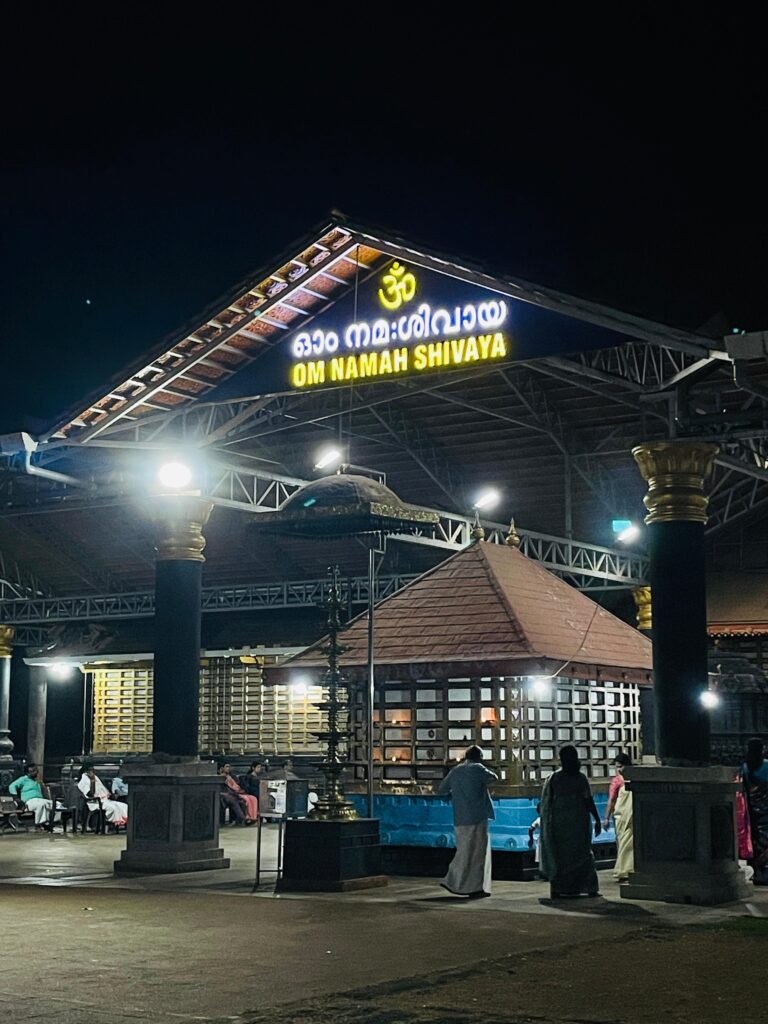
Rajarajeshwara Temple Taliparamba
Temples in Kannur

Temples in Kannur

Temples in Kannur Trichambaram Temple Trichambaram Temple, located in Taliparamba, Kannur, is a significant Krishna temple where the deity is depicted in a “Raudra” or ferocious posture after the defeat of Kamsa. The temple is part of the ancient Vaishnavite Abhimana Kshethrams and is mentioned in the 11th-century Sanskrit text “Mūṣikavaṃśa.” The temple features 15th and 16th-century carvings and murals, along with a shrine for Durga situated in the middle of a tank, one of Kerala’s 108 Durgalayas. Shrines for Shiva, Ganapathi, and other deities surround the complex,makes it must visited temples in Kannur and located 10 km from Nandhanam Holidays. Rajarajeshwara Temple The Rajarajeshwara Temple, located in Taliparamba, Kannur, is a revered Shiva temple known as one of the 108 ancient Shiva temples in Kerala. It holds a significant place among South India’s numerous Shiva temples and features a towering shikhara weighing about 90 tonnes. Devotees often seek solutions to their problems through a prashnam, an astrological decision-making method, conducted on a raised platform outside the temple. This temple is located just 11 km from Nandhanam Holidays. Annapurneshwari Temple, Cherukunnu The Annapoorneshwari Temple, located in Kannur, Kerala, is dedicated to the goddess Annapurneshwari, the deity of food. In this temple, Lord Krishna is also worshipped alongside Goddess Sree Annapoorneswari. Originally a Vishnu/Krishna temple over 1,500 years old, it underwent significant changes after the idol of Annapoorneshwari was consecrated by Avittam Thirunal Raja Raja Varma of Chirakkal Kovilakam. According to Hindu mythology, the goddess arrived from Kashi with two other goddesses and a boatman in a golden ship, landing at Azhi Theeram, now known as Aayiram Thengu. Located 16 km from Nandanam Holidays, the Annapoorneshwari Temple is a must-visit for those exploring temples in Kannur Sree Mridanga Saileswari Temple Mridanga Saileswari Temple, located in Muzhakunnu, Kannur district, Kerala, is a revered Hindu temple and one of the 108 Durga temples of ancient Kerala. It is believed to have been established by Parashurama, the sixth avatar of Lord Vishnu. The main deity, Mridanga Saileswari, is depicted as a four-armed Durga, holding a conch and discus in her upward-pointing hands, while blessing devotees with her right hand and resting her left hand on her waist. In Hindu worship, the three principal forms of Durga include Maha-Durga, Chandika, and Aparajita. Chandika manifests as Chandi, embodying the combined powers of Saraswati, Lakshmi, and Parvati, as well as Chamunda, an aspect created for defeating the demons Chanda and Munda. Maha Durga also has forms such as Ugrachanda, Bhadrakali, and Katyayani. The temple is located 42 km from Nandhanam Holidays. Peralassery Subramanya Temple Sree Peralassery Temple, located in Kannur, is a renowned pilgrimage center in North Malabar, dedicated to Lord Subramanya. Its origins trace back to the Thretha Yuga, as mentioned in the Ramayana. According to legend, Lord Sree Rama, accompanied by Lakshmana and Hanuman while searching for Sita, reached this site and sensed the presence of Lord Subramanya. After receiving approval from Lord Ayyappa, Rama decided to consecrate an idol of Subramanya there. He initially sent Hanuman to find a suitable idol, but when Hanuman was delayed, Rama used his Peruvala (a great bangle symbolizing kingship) for the consecration. This act gave rise to the name Peruvalassery, which later became Peralassery. The temple is also famous for snake worship, and hen’s eggs are the primary offerings. It is located 26 km from Nandhanam Holidays. Ikkare Kottiyoor Temple Kottiyoor Temple is a significant Shiva temple located in Kottiyoor, Kannur, Kerala. Its name, derived from the Kattan dynasty of Puralimala, evolved into ‘Kottiyoor’ in the local dialect. While known as Vadakkeshwaram Temple since ancient times, locals also refer to it as Ikkare Kottiyoor, as it is situated on the riverbank near Kottiyoor village, distinguishing it from the shrine on the opposite side of the river. The temple is classified under the Malabar Devaswom Board. The temple complex consists of two shrines: the Vadakkeshwaram (Ikkare Kottiyoor) on the western bank, which is a permanent structure open only during the 27 days of the Vysakha festival, and the temporary Akkare Kottiyoor on the eastern bank, which serves as a Yaga shrine during the Kottiyoor Vysakha Mahotsavam. Nestled in an 80-acre sacred grove, the temple’s mythology ties it to Daksha Yaga, where Sati Devi is said to have immolated herself. This is one of the must visited temples in Kannur and It is located 65 km from Nandhanam Holidays. Kanhirangad Sree Vaidyanatha Temple Kanhirangad Temple, dedicated to Lord Shiva as Vaidhya Nathan, is a revered healing shrine located 14 km from Nandhanam Holidays. This 11th-century temple features unique architecture and is believed to house a self-manifested deity. Pilgrims visit, seeking cures for ailments, particularly skin diseases, with many reporting miraculous recoveries through rituals like Dhara. Local history attributes its construction to Chola King Shatasoman, who built it for the Antharjanams (royal women) to meditate and later donated it to the Kashyapa gotra community. Kanhirangad Temple is part of a trio of esteemed temples, alongside Taliparamba Shiva Temple and Trichambaram Sri Krishna Temple, sharing administration under the Thaliparambu-Trichambaram-Kanhirangad Devasom authority. Sree Subramanya Swami Temple Sree Subramanya Swami Temple in Payyanur, Kannur, is a renowned Lord Subramanya temple noted for its unique architecture, featuring a two-storeyed sanctum shaped like the back of an elephant (Gajaprishtam). The temple houses a 6-ft tall idol of Lord Subramanya and boasts a distinctive 12-ft tall compound wall. A major attraction is the pavitra mothiram, a sacred ring made of gold and holy darbha grass, crafted on order and sanctified through ancient rituals performed by Brahmins. The temple’s serene environment and lush greenery add to its charm, making it a revered pilgrimage site for devotees year-round. Darshan timings are from 4:00 AM to 12:00 PM and 5:00 PM to 9:00 PM. Located 33 km from Nandhanam Holidays, it draws a steady flow of visitors seeking blessings and the sacred ring. Mammanam Temple Mammanam temple is located on the eastern bank of the Irikkur River and was originally inhabited by Namboodiri Brahmins as a dedicated community. During Tippu Sultan’s invasion, the community

Scroll to Top